Tripura
Sundari Tripura
“Tripura does not shout its culture. It whispers it—through bamboo walls, rhythmic drums, gentle dances, and the quiet dignity of its people.”
Tripura, a small but culturally rich state in Northeast India, has a deeply layered heritage shaped by tribal traditions, royal patronage, and cross-border influences from Bengal, Southeast Asia, and indigenous Tibeto-Burman cultures. Narratives.
Explore the place
The City Maps
Trip Ideas
FEATURED ARTICLE
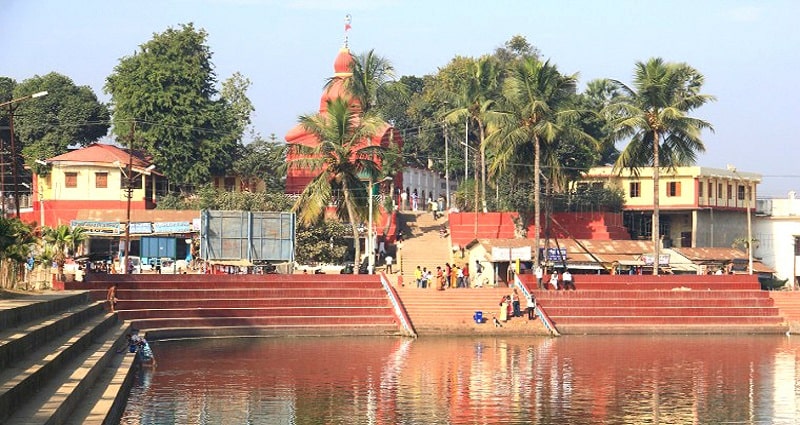
Tripura Sundari Kali Bari
Tripura Sundari (Matabari) Kali Bari – Udaipur, Tripura Tripura Sundari Temple, popularly known as Matabari Kali Bari, is one of the 51 Shakti Peethas of India and a major spiritual landmark of Tripura. Located at Udaipur in Gomati district, about 55 km from Agartala, the temple is dedicated to Goddess Tripura Sundari, a powerful manifestation of Goddess Shakti. Built in 1501 AD by Maharaja Dhanya Manikya of the Manikya dynasty, the temple follows a Bengali hut-style (Chala) architecture and stands beside the sacred Kalyan Sagar Lake, home to fish and turtles revered by devotees. The temple attracts thousands of pilgrims during Diwali, Kali Puja, and Ashokastami. The Famous Udaipur Peda A visit to Matabari is considered incomplete without tasting the famous Udaipur Peda. Soft, milk-based sweet made from khoya (condensed milk) Mildly sweet, grainy texture with a rich aroma Traditionally offered as prasadam to the Goddess Prepared fresh by local sweet makers using age-old methods The Udaipur Peda has become a culinary identity of Tripura, symbolizing devotion, purity, and local craftsmanship. Faith at Matabari flows not only through prayers and rituals, but also through the sweetness of the peda—where devotion meets tradition.
FEATURED ARTICLE
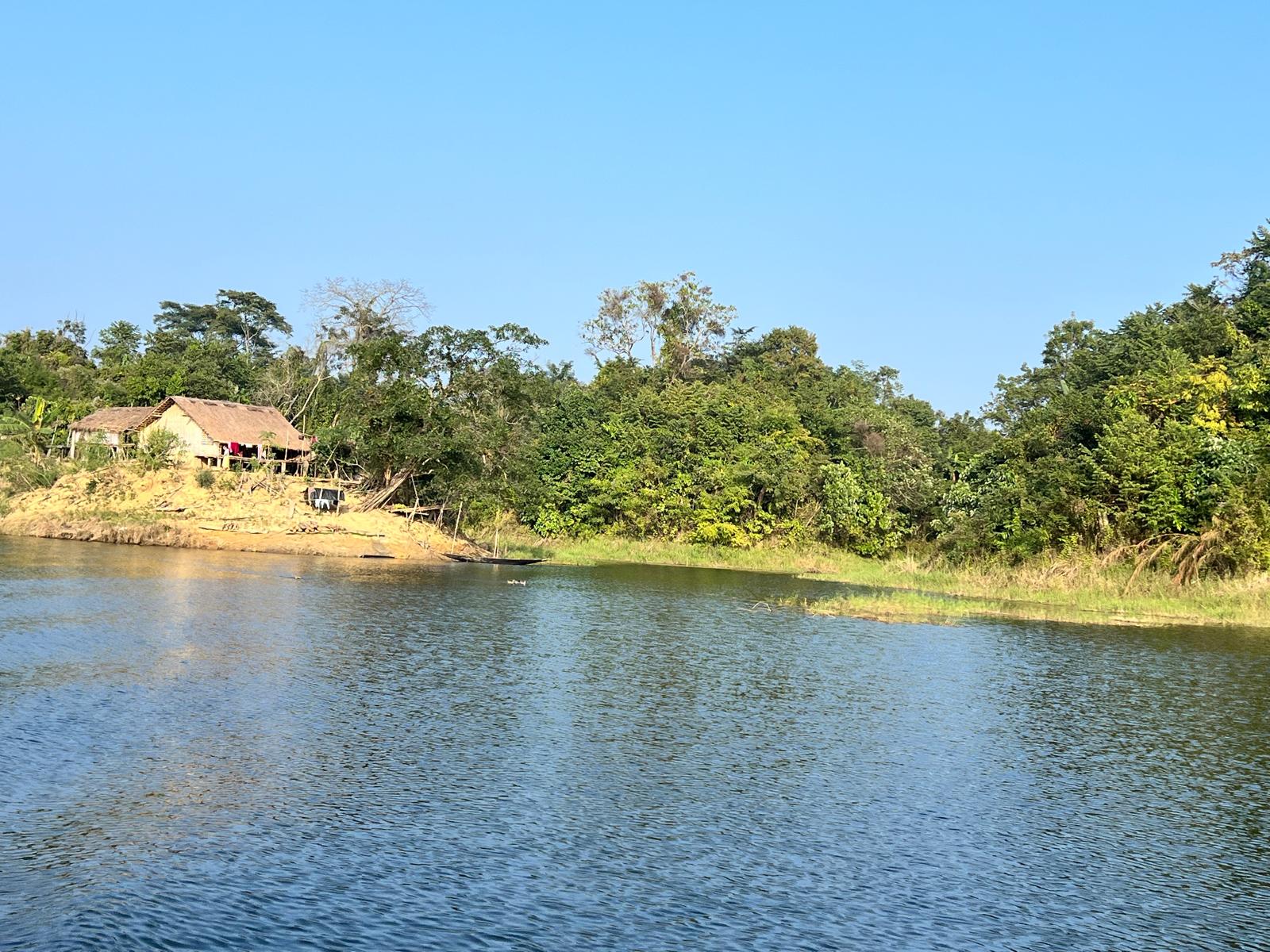
Dumbur Lake
Dumbur Lake is a scenic freshwater reservoir located in the Gomati district of Tripura, near the Gomati River. Surrounded by lush green hills and forests, the lake is formed at the confluence of the Raima and Sarma rivers and is dotted with 48 small islands, giving it a unique and tranquil character. The lake holds strong religious and cultural significance. Near its banks stands the ancient Tirthamukh, a sacred site where devotees gather during Makar Sankranti for holy rituals. Dumbur Lake is also an important ecological zone, supporting diverse fish species and migratory birds, making it a livelihood source for local fishing communities. Today, Dumbur Lake is emerging as a nature and eco-tourism destination, offering boating, birdwatching, and peaceful retreats amid unspoiled landscapes—reflecting Tripura’s deep harmony between nature, culture, and community life.
FEATURED ARTICLE
Unokoti
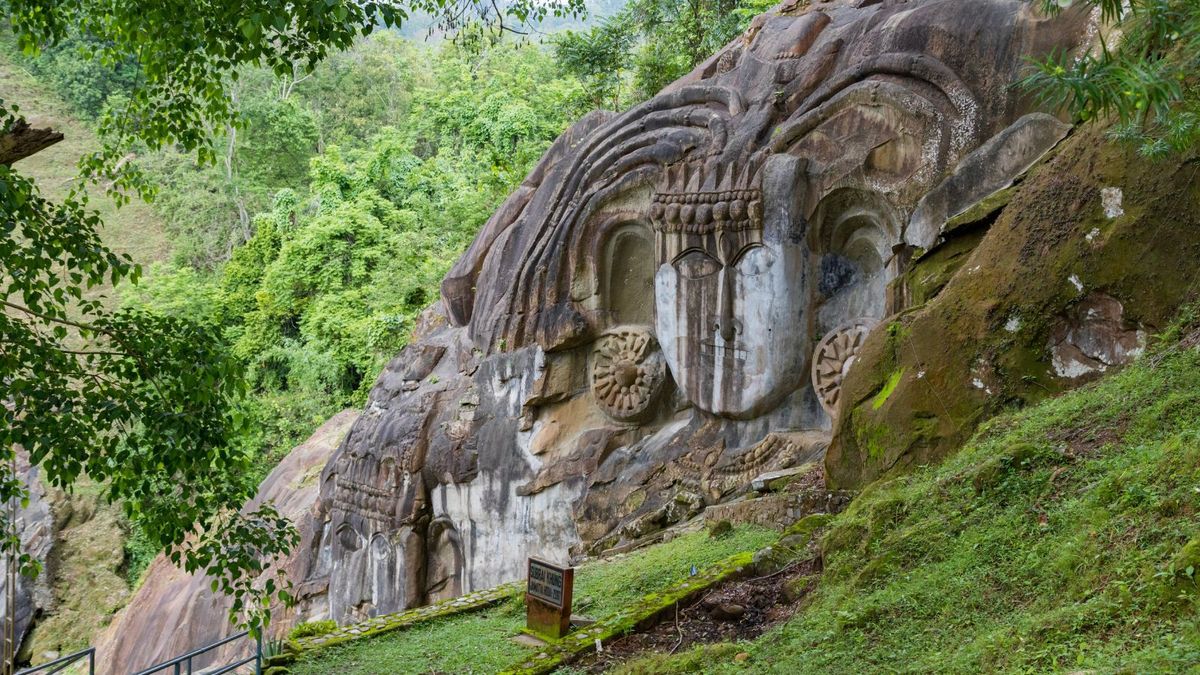
Unakoti is one of the most extraordinary heritage sites of Tripura, located in the Unakoti district, about 180 km from Agartala. It is a unique ancient Shaivite pilgrimage and rock-cut art site, renowned for its gigantic carvings and sculptures hewn directly into hill rock faces. The name “Unakoti” literally means “one less than a crore” (99,99,999). According to legend, Lord Shiva was traveling to Kashi with a crore of gods and goddesses. When they halted here overnight, Shiva commanded them to wake before dawn. All but one crore failed to rise in time, and Shiva is believed to have turned them into stone—creating the magnificent rock carvings seen today. The site features: A colossal 32-foot-high bas-relief of Lord Shiva (Unakotiswara Kal Bhairava) Rock carvings of Durga, Ganesha, Kartikeya, and other deities Natural water springs and seasonal waterfalls enhancing its mystical atmosphere Dating back to around the 7th–9th century CE, Unakoti is considered one of the largest bas-relief sculpture sites in India. It is both an archaeological treasure and a living place of worship, especially vibrant during the Ashokastami Mela. Unakoti stands as a powerful symbol of Tripura’s spiritual depth, artistic brilliance, and ancient connection with nature, making it a must-visit destination for pilgrims, historians, and cultural travelers alike.
FEATURED ARTICLE
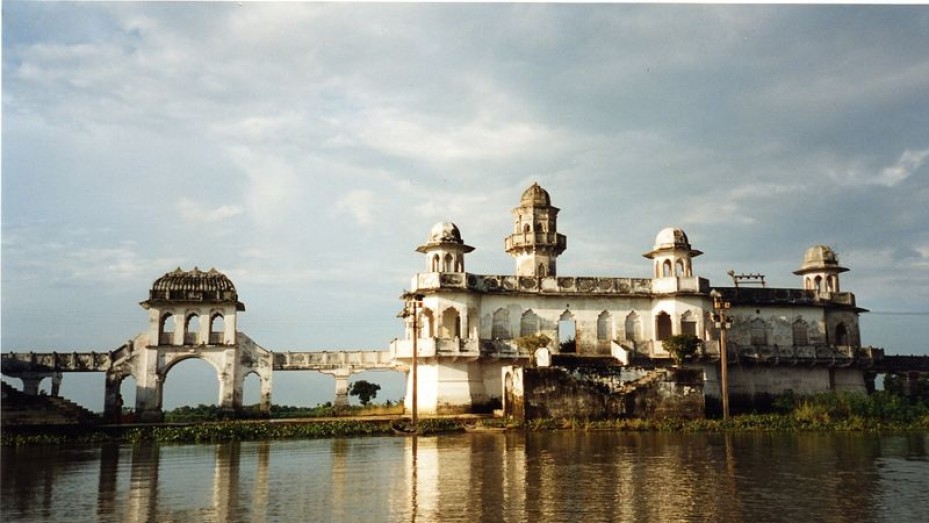
Neer Mahal
Neer Mahal is one of the most iconic and picturesque landmarks of Tripura, uniquely known as India’s only lake palace in the Northeast. It is located in the middle of Rudrasagar Lake, near Melaghar, about 55 km from Agartala. Built in 1930 by Maharaja Bir Bikram Kishore Manikya Bahadur, the last ruling king of Tripura, Neer Mahal served as a royal summer residence and retreat. The palace is a graceful blend of Hindu and Islamic architectural styles, featuring domes, pavilions, balconies, and open terraces designed to catch cool lake breezes. Historically, Neer Mahal was used for: Royal leisure and recreation Cultural programs, music, and drama Water sports and boating events for the royal family Today, the palace is a major tourist attraction, accessible by boat from the lake shore. The surrounding Rudrasagar Lake, a Ramsar-listed wetland, enhances its ecological and scenic value. Neer Mahal reflects Tripura’s royal elegance—where architecture, water, and nature come together in perfect harmony. It stands as a symbol of Tripura’s cultural refinement, historical depth, and natural beauty, making it a must-visit destination for anyone exploring the state.

FEATURED ARTICLE
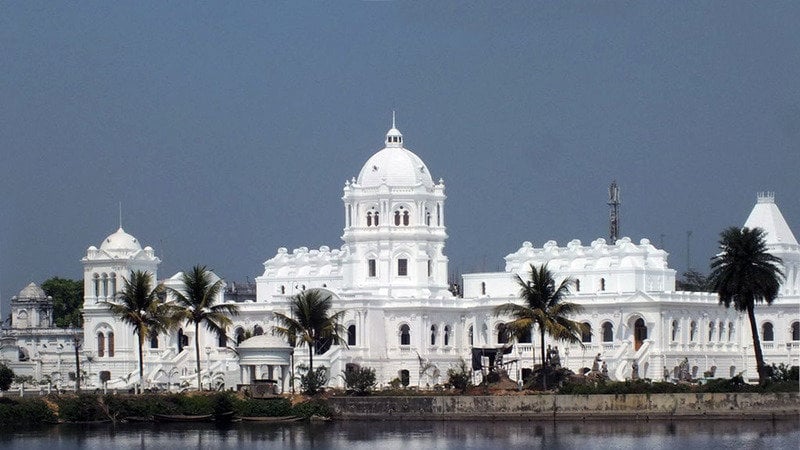
Ujjayant Prasad
Ujjayanta Palace is the most prominent historical monument of Tripura, located at the heart of Agartala, the state capital. It stands as a powerful symbol of the Manikya dynasty, which ruled Tripura for nearly five centuries. Origin and Construction The palace was originally built in the early 1900s as the royal residence of the Tripura kings. After a devastating earthquake in 1897 damaged the earlier royal structure, Maharaja Radha Kishore Manikya commissioned a new palace. The present Ujjayanta Palace was completed in 1901. Architectural Significance Designed by Sir Alexander Martin, a renowned British architect Architectural style: Indo-Saracenic, blending Mughal, Roman, and European classical elements Key features include: Elegant white domes Central rotunda Beautiful Mughal-style gardens Ornamental ponds and fountains The name “Ujjayanta” means “Palace of Rising Moon”, symbolizing prosperity and enlightenment. Historical Role Served as the royal seat and residence of the Manikya kings Witnessed important political and cultural events during princely rule After Tripura’s merger with the Indian Union in 1949, the palace transitioned from a royal residence to a public institution Present Status Today, Ujjayanta Palace houses the Tripura State Museum The museum showcases: Tribal culture and heritage Archaeological artifacts Royal history of Tripura Art, manuscripts, and traditional crafts Ujjayanta Palace stands not merely as a building, but as Tripura’s living chronicle—where royal legacy meets the people’s history.